A New Face of American Leadership
Muslim, South Asian, and Proudly Progressive
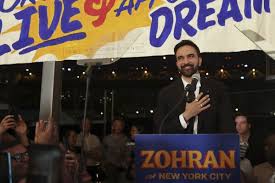
At 33, Zohran Mamdani — an assemblyman born in Uganda to Indian parents and a U.S. citizen only since 2018 — could become New York City’s first Muslim and Asian American mayor. His primary victory has sparked excitement across Muslim and South Asian households, where traditional career aspirations of doctor, lawyer, or engineer are now being reconsidered.
Grassroots organizations like DRUM Beats, representing working-class South Asian and Indo-Caribbean New Yorkers, were among the earliest backers of Mamdani. More than 300 volunteers knocked on 10,000+ doors, contributing to a 90% surge in turnout in key immigrant-heavy neighborhoods.
More Than Identity: A Campaign Built on Policy
Housing, Gaza, and Economic Justice
While Mamdani’s identity has drawn attention, it’s his platform that is truly resonating. Affordable housing, debt relief for taxi drivers, and strong opposition to U.S. military aid to Israel have struck a chord with voters across communities — Muslim or not.
Polling shows Muslim American voters prioritize Gaza and affordability, aligning perfectly with Mamdani’s campaign. As Nazita Lajevardi of Michigan State University noted, his policies reflect not just Muslim sentiment, but broader Democratic disillusionment post-2024.
Winning in Trump Territory
Despite his progressive positions, Mamdani managed to win over one-third of districts that Trump carried in 2024 — a feat made possible by his grassroots focus and willingness to engage with underserved communities.
The Backlash Begins: Islamophobia Reloaded
From Congress to Trump to Homeland Security
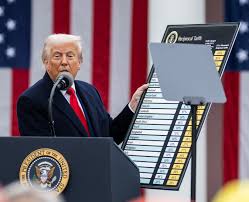
Mamdani’s ascent has already drawn Islamophobic attacks. Republican Rep. Andy Ogles absurdly called for his deportation under terrorism laws. Donald Trump falsely questioned his citizenship. Meanwhile, DHS is investigating Mamdani under pressure from conservative voices — eerily echoing the post-9/11 surveillance era.
Civil rights advocates recall how material support laws were abused under George W. Bush to shutter Muslim and pro-Palestinian charities — and warn the same playbook may now be reopened.
From the Mosque to the Ballot Box
Muslim Voter Mobilization Reaches New Heights
Mamdani’s campaign built unprecedented Muslim community engagement — visiting over 100 mosques, connecting with imams across NYC, and speaking a language of justice that resonated far beyond religious lines.
Campaign adviser Zara Rahim noted that Mamdani’s message was “inherently Muslim: justice, mercy, commitment to community.” Even his use of Bollywood references and Eid WhatsApp memes energized voters traditionally ignored in American politics.
Interestingly, identity wasn’t the only factor. As one Bangladeshi taxi driver put it:
“I didn’t even know he was Muslim. I supported him because he supported us.”
Standing with Palestine, Without Apology
A Rare Political Stand in American Politics
Mamdani has repeatedly called for a ceasefire in Gaza, and was arrested during a hunger strike outside the White House in 2023. He authored legislation to block NYC from funding organizations tied to Israeli settlements, and refuses to support anti-speech crackdowns against Palestinian advocacy.
He’s been grilled over slogans like “globalize the intifada,” but he consistently clarifies that intifada also means legitimate protest. He affirms Israel’s right to exist — but only if it guarantees equal rights for all citizens.
For pro-Palestinian groups, his win is a turning point. The Palestinian Youth Movement celebrated Mamdani’s rise as proof that “being anti-genocide is not politically toxic” in 2025.
The Accountability Contract: No Free Passes
Support Without Blind Loyalty
DRUM Beats organizer Raza Gillani cautions that Mamdani isn’t above scrutiny:
“We don’t support him because he’s a messiah. If he breaks his promises, we’ll hold him accountable.”
This sentiment reflects a growing political maturity among Muslim and South Asian voters — from transactional loyalty to issue-based, long-term organizing.
Gillani’s message to the base is strategic:
“Don’t let this energy die down. Build power, not just victories.”
A Mayor for the Marginalized?
Fighting for the Taxi Drivers, Immigrants, and Queer Communities
One of Mamdani’s most personal battles was on behalf of NYC taxi drivers, crushed by the city’s exploitative medallion system. He joined a hunger strike in 2021, stood beside debt-ridden drivers, and helped secure a historic forgiveness deal.
His support for LGBTQ+ and trans rights, though controversial in some conservative circles, hasn’t cost him meaningful support. That’s because voters — even those who disagree on specific issues — recognize a consistent commitment to justice.
ICE, Surveillance, and Fear — The Post-9/11 Baggage
Ending the Shadow of the Homeland Security State
For many in New York’s Muslim community, Mamdani’s candidacy feels like a rejection of the post-9/11 surveillance state. From ICE operating in Rikers to NYPD spying on mosques, the trauma still runs deep.
CUNY’s Heba Gowayed bluntly stated:
“ICE was born out of anti-Muslim hate.”
Community groups like Malikah in Astoria report renewed fear among undocumented MENA immigrants. Mamdani has pledged to expand city-funded legal representation to protect these communities.
A Candidacy That Redefines Representation
Zohran Mamdani’s mayoral campaign is about more than shattering ceilings — it’s about reshaping what political power looks like in 2025. Rooted in community, unapologetic about identity, and fearless in its policy positions, his campaign may serve as a national blueprint for how marginalized communities can move from protest to power.
But the movement he leads comes with a contract: no blank checks, no unchecked power. In the words of DRUM Beats:
“If you don’t keep your promises, we will hold you accountable — whether you’re Zohran, Cuomo, or Eric Adams.”