From Strongman to Overreach?
Immigration has long been a cornerstone of Donald Trump’s political identity. His tough stance on border security and deportation helped him secure victory in the past, and his base remains fiercely loyal on the issue. But recent actions may signal a shift from “tough on crime” to a potential overreach that’s beginning to erode broader public support—even within his own party.
Recent Immigration Actions Spark National Debate
On June 10, 2025, federal agents detained a woman and her children immediately after their appearance at an immigration court in San Antonio, Texas. The image of the family being loaded onto a bus went viral, becoming the face of what critics now call an increasingly aggressive deportation campaign.
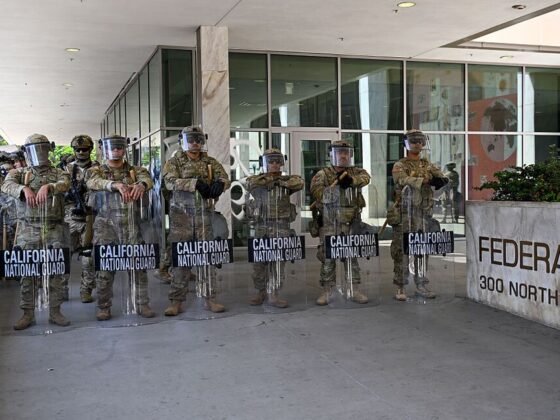
President Trump’s administration recently escalated its efforts by deploying the California National Guard and, unusually, sending a contingent of Marines into Los Angeles over the objections of local officials, including California Governor Gavin Newsom. The president insists these moves are necessary to restore law and order, but polls suggest the American public may be growing uncomfortable with the heavy-handed approach.
Public Opinion: Cracks in Trump’s Immigration Fortress
Recent polling data paints a complicated picture. According to a Quinnipiac University survey, 43% of voters approve of Trump’s handling of immigration, while 54% disapprove. When asked specifically about deportations, 40% approve and 56% disapprove.
An AP/NORC poll shows similar patterns, with 46% approval overall but a significant 62% disapproval among independents, a critical voting bloc. By contrast, a CBS News/YouGov poll conducted just before Trump’s deployment of federal forces found majority support for deportation policies, suggesting the tide may be turning in response to the president’s latest actions.
Controversial Tactics: Going Beyond Criminal Targets
Aggressive Detentions Raise Ethical Concerns
While Trump has framed his immigration strategy as targeting violent criminals, a wave of local news reports tells a more nuanced story:
A teacher’s aide was detained and pressured to self-deport.
Federal agents conducted school visits under the guise of wellness checks, allegedly without parental consent.
A nine-month pregnant U.S. citizen was detained for allegedly obstructing the arrest of her undocumented husband.
A father with no criminal record was arrested despite regular, lawful check-ins with ICE.
Military vehicles were used to arrest a man accused only of posting fliers warning neighbors about ICE raids.
An immigrant nearing permanent legal residency was detained before completing his process.
These incidents are rapidly becoming political liabilities as they undercut the administration’s narrative that the crackdown focuses solely on dangerous criminals.
ICE Chief Defends Actions as ‘Collateral’
Thomas Homan, head of Immigration and Customs Enforcement (ICE), has defended these arrests as unavoidable “collateral” detentions. Legally, anyone without proper documentation is subject to deportation, he emphasized.
However, data from the Transactional Records Access Clearinghouse (TRAC) at Syracuse University reveals that as of June 1, 43.7% of ICE detainees—more than 22,000 people—had no criminal record. Many others were detained for minor infractions, such as traffic violations.
The Business Backlash: Immigration Raids and Economic Impact
Trump’s immigration policies are also creating tension within traditionally supportive business sectors. The president himself has acknowledged that ICE raids are straining American agriculture and tourism.
The U.S. Department of Agriculture estimates that 42% of hired crop farmworkers are undocumented, raising concerns about labor shortages in an already stressed industry. Despite Trump’s claims that criminals are applying for these jobs, no substantial evidence has been provided to support this assertion.
Republican Fractures: “This Is Not What We Voted For”
Trump still enjoys overwhelming support from the Republican base when it comes to immigration. However, signs of dissent are emerging.
Florida Republican state Sen. Ileana Garcia, founder of Latinas for Trump, publicly criticized the administration’s recent actions on social media:
“This is not what we voted for. This is unacceptable and inhumane. I understand the importance of deporting criminal aliens, but what we are witnessing are arbitrary measures to hunt down people who are complying with their immigration hearings – in many cases, with credible fear of persecution claims.”
Such comments could foreshadow growing discomfort among Latino conservatives and other moderate Republicans who previously backed Trump’s immigration agenda.
Political Risk: A Possible Miscalculation?
While the president has historically benefited from hardline immigration policies, this latest chapter might be a miscalculation. With increasing media coverage of family separations, aggressive tactics, and questionable detentions, Trump risks alienating swing voters and moderates who may support border security but oppose perceived abuses of power.
Additionally, the move to federalize the National Guard and deploy Marines into American cities raises constitutional questions and provides ammunition to critics who accuse Trump of authoritarian behavior.
The Immigration Tightrope
Trump’s immigration strategy has always walked a tightrope between decisive action and overreach. Recent developments suggest he may be losing his balance. Whether this will significantly erode his support remains to be seen, but early signs point to potential political costs.
As protests against ICE raids and deportations intensify nationwide, Trump faces a growing challenge: how to maintain his tough stance without alienating the broader electorate—or even his own party.